
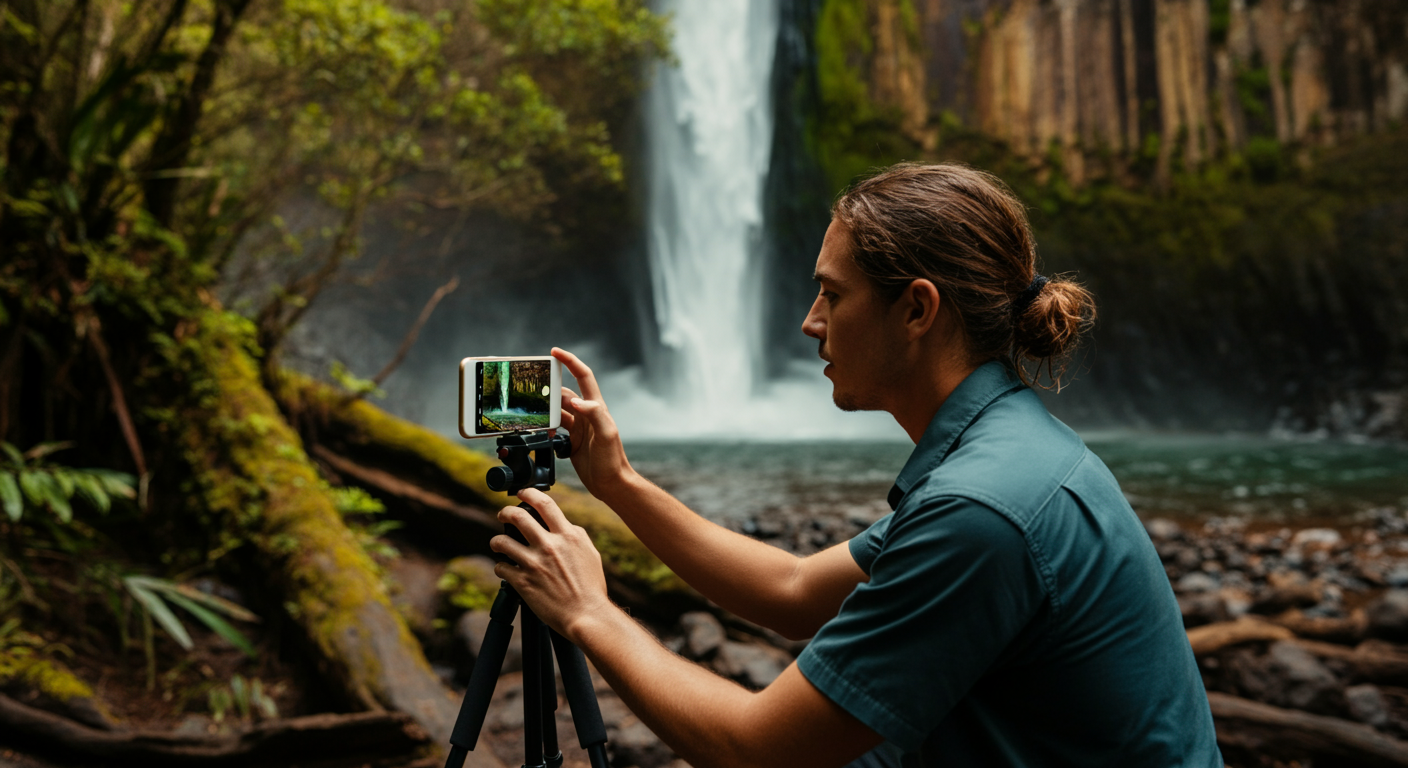
TikTok isn't just for teenagers doing dances. Tourism businesses worldwide are using the platform to reach new audiences, showcase unique experiences, and drive bookings. If you're not on TikTok yet, you're missing out on a massive opportunity to connect with potential guests who are actively seeking travel inspiration.
The platform's short-form video format is perfect for capturing attention and conveying a sense of place. Plus, the algorithm is actually on your side for once, rewarding engaging content with increased visibility.
Why TikTok Matters for Tourism Businesses
TikTok's power lies in its ability to deliver highly engaging, easily digestible content. Unlike other platforms that require polished, professional-looking videos, TikTok thrives on authenticity and creativity. This is great news for tourism businesses that might not have huge marketing budgets.
For tourism businesses, TikTok offers a unique opportunity to showcase your destination or experience in a visually appealing and engaging way. Think quick glimpses of stunning landscapes, behind-the-scenes looks at your operation, or fun, quirky videos featuring your staff. Many operators find short, snappy videos perform best.
For example, a small tour operator could post a 15-second video showcasing the highlights of their daily tour. An accommodation provider could give a quick room tour, highlighting key amenities and stunning views. The key is to capture attention quickly and leave viewers wanting more.
Getting Started with TikTok for Tourism
Implementing TikTok marketing doesn't need to be daunting. Here's a breakdown of practical steps you can take to get started:
Define Your Target Audience
Who are you trying to reach on TikTok? Are you targeting families, young couples, adventure travellers, or luxury holidaymakers? Understanding your target audience will help you create content that resonates with them. For instance, if you are targeting younger adventure travellers, you might create videos showcasing extreme sports or off-the-beaten-path experiences. If you are targeting families, you might focus on kid-friendly activities and amenities.
Create Engaging Content
This is where you get to be creative! Think about what makes your destination or experience unique and showcase it in short, visually appealing videos. Use trending sounds and hashtags to increase visibility, but make sure they are relevant to your brand and audience. Don't be afraid to experiment with different video formats, such as tutorials, behind-the-scenes looks, challenges, and collaborations with other creators.
Use Relevant Hashtags
Hashtags are essential for helping people discover your content on TikTok. Research relevant hashtags related to your destination, experience, and target audience. Use a mix of broad hashtags (e.g., #travel, #tourism) and niche hashtags (e.g., #barossavalleywine, #greatbarrierreeftour). Consider creating your own branded hashtag to encourage user-generated content.
Engage with Your Audience
TikTok is a social platform, so it's important to engage with your audience. Respond to comments, answer questions, and participate in relevant conversations. Consider running contests or giveaways to encourage engagement and build your following. Collaborate with other creators in your niche to reach new audiences and cross-promote each other's content.
Track Your Results
Use TikTok's analytics tools to track your performance and see what's working and what's not. Pay attention to metrics such as views, likes, comments, shares, and follower growth. Use this data to optimise your content strategy and improve your results. Understanding what resonates with your audience helps prioritise efforts.
Your Implementation Roadmap
Set up your TikTok account and optimise your profile with a clear bio, profile picture, and link to your website. Research relevant hashtags and trending sounds in your niche. Analyse your competitors' TikTok accounts to see what they're doing well.
Key Takeaways
TikTok is a powerful platform for tourism businesses to reach new audiences and drive bookings. Its short-form video format is perfect for capturing attention and showcasing unique experiences. Authenticity trumps perfection. Don't worry about highly produced videos, instead focus on being real and engaging.
Consistency is key. Aim to post regularly and engage with your audience to build a loyal following. Track your results and use data to optimise your content strategy.
Next Steps
- Set up your TikTok business account - If you haven't already, create a TikTok account for your business and optimise your profile.
- Brainstorm content ideas - Think about what makes your destination or experience unique and start brainstorming video ideas.
- Create and post your first video - Don't overthink it! Just start creating and posting content. The more you practice, the better you'll get.
- Engage with your audience - Respond to comments and participate in relevant conversations to build relationships and grow your following.
Tools & Resources

Tripadvisor
Tripadvisor is the world's largest travel platform, helping hundreds of millions of travellers each month make every trip their best. It offers a comprehensive suite of tools and resources for travellers to plan and book their trips, including reviews, ratings, photos, and forums. For businesses, Tripadvisor provides a vital marketing channel to connect with potential customers and manage their online reputation, offering a platform to showcase their offerings, respond to customer feedback, and drive bookings. Tripadvisor's primary value proposition centres around providing transparency and empowering informed decisions, benefiting both travellers and the businesses that serve them. Tripadvisor works by aggregating user-generated content, including reviews, photos, and forum posts, to create a rich database of information about travel experiences. Travellers can search for hotels, restaurants, attractions, and vacation rentals, filtering results by price, location, rating, and other criteria. Businesses can claim their Tripadvisor listing and manage their profile, adding photos, descriptions, and contact information. They can also respond to reviews, both positive and negative, to engage with customers and address any concerns. Tripadvisor also provides a booking platform for hotels and other accommodations. Tripadvisor offers various integration capabilities through its API, allowing businesses to connect their booking systems and other applications to the platform. This enables seamless data exchange and automated processes, such as updating availability and pricing in real-time. Tripadvisor's platform is highly scalable, accommodating businesses of all sizes, from small bed and breakfasts to large hotel chains. They also offer specialised tools for vacation rentals, tours and activities, and restaurants. The Tripadvisor platform is designed to be flexible and adaptable to the diverse needs of the travel and hospitality industry. Tripadvisor targets a wide range of users, including individual travellers, families, couples, and business travellers. Specific use cases include researching destinations, comparing prices, reading reviews, booking accommodations and activities, and sharing travel experiences. For businesses, Tripadvisor is used to increase visibility, attract new customers, manage online reputation, and drive bookings. For example, a local tourism operator in the Blue Mountains could use Tripadvisor to showcase their guided bushwalking tours, respond to customer reviews, and manage their booking calendar. A boutique hotel in Melbourne could use Tripadvisor to attract international visitors and manage their online reputation.

Google Ads
Google Ads is an online advertising platform developed by Google, where advertisers bid to display brief advertisements, service offerings, product listings, or video content to web users. It’s a pay-per-click (PPC) platform, meaning you only pay when someone clicks on your ad, making it a highly accountable and measurable marketing channel. The core value proposition is to connect businesses with potential customers actively searching for their products or services, driving relevant traffic to their website and ultimately increasing conversions. Google Ads operates through an auction-based system. You select relevant keywords (words or phrases people might search for) and create ads that are triggered when someone searches for those keywords. Google then determines which ads to show based on factors like your bid amount, the quality of your ad, and the relevance of your landing page. Key capabilities include keyword research tools, ad creation tools with various formats (text, image, video), audience targeting options (demographics, interests, location), and detailed performance tracking and reporting. The platform allows for A/B testing of ad copy and landing pages to optimise campaign performance. Google Ads integrates seamlessly with other Google services, such as Google Analytics, Google My Business, and Google Merchant Center. This allows for comprehensive tracking of user behaviour and attribution of conversions. The platform is highly scalable, allowing businesses to start with small budgets and gradually increase their investment as they see results. It also supports complex campaign structures with multiple ad groups and targeting strategies to cater to diverse customer segments. Google Ads also supports API integrations, enabling developers to build custom solutions and automate tasks. Google Ads is suitable for tourism businesses of all sizes, from small bed and breakfasts to large tour operators. It's particularly useful for businesses that want to generate leads, drive bookings, and increase brand awareness. Use cases include promoting specific tours or packages, attracting customers during peak seasons, targeting specific geographic areas, and retargeting website visitors who have previously shown interest in your services.

Planoly
Planoly is a social media management platform designed to streamline your content planning, scheduling, and analytics across various social media platforms, primarily Instagram, Pinterest, Facebook, Twitter, and TikTok. It empowers businesses and individuals to visually plan their social media grid, automatically schedule posts, and analyse performance to optimise their social media strategy. Planoly offers a range of tools from simple scheduling to complex analytics, allowing users to manage their entire social media presence from a single dashboard, saving valuable time and resources. Planoly's key capabilities centre around its visual content calendar, which allows users to drag and drop media to plan their feed's aesthetic. You can schedule posts across multiple platforms, including creating carousels and stories. The platform offers auto-posting functionality, meaning posts are published automatically at the scheduled time. Other important features include hashtag management tools, the ability to discover user-generated content, and detailed analytics dashboards that provide insights into post performance, audience engagement, and follower growth. It also offers tools to manage and respond to comments, ensuring you can maintain a strong connection with your audience. Planoly integrates with several key social media platforms directly, including Instagram, Pinterest, Facebook, Twitter, and TikTok, allowing for seamless content publishing and data retrieval. It offers a link in bio solution, Linkit, and provides tools to track affiliate links, which are useful for influencer marketing. While direct integration with other marketing or CRM platforms is more limited compared to some other social media management tools, Planoly's API can be used for custom integrations to further extend its functionality. The platform is highly scalable, catering to individual creators, small businesses, and larger enterprises with varying levels of social media needs. Planoly is ideally suited for tourism businesses and operators looking to boost their online presence and brand awareness. Use cases include hotels managing their Instagram feed to showcase rooms and amenities, tour operators sharing captivating travel photos, restaurants promoting their menus and specials, and event organisers advertising festivals and local activities. Anyone involved in creating visually appealing content for social media will find Planoly a valuable tool for streamlining their workflow and maximising their social media impact.