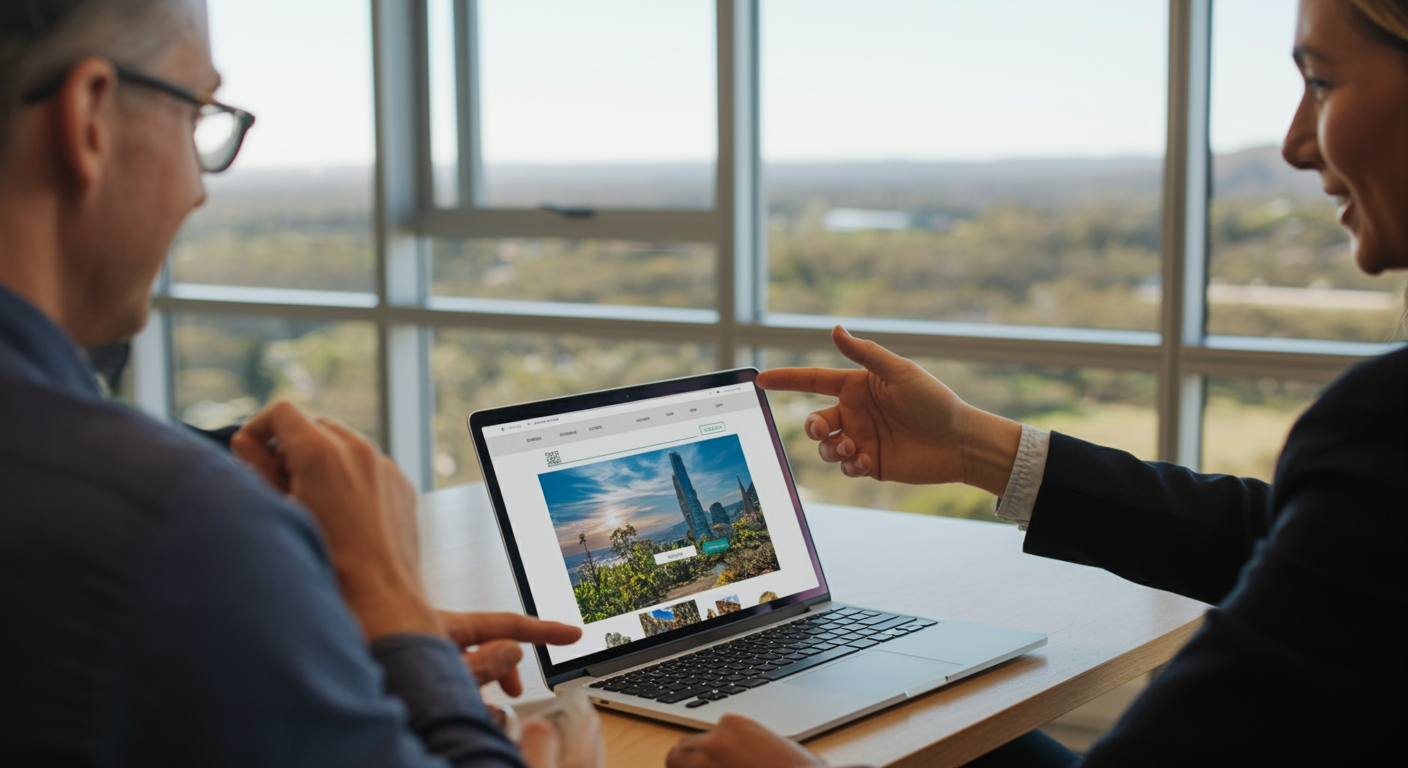
You're getting website traffic, but bookings are sluggish. That's wasted potential.
In this article
In this article, you'll learn practical strategies and actionable insights that you can implement immediately in your tourism business.
Understanding the Tourism Marketing Funnel
The tourism marketing funnel visualises the journey a traveller takes, from first hearing about your business to finally booking an experience. It's a handy tool for understanding your customer's decision-making process, allowing you to tailor your marketing at each stage. Think of it as guiding potential customers down a path that leads them to become paying guests.
The funnel typically consists of these stages:
- Awareness: The traveller becomes aware of your business. This could be through social media, a blog post, word-of-mouth, or online advertising.
- Interest: The traveller researches your offering, comparing you to competitors. This is where compelling content and clear information are key.
- Consideration: The traveller is actively considering booking with you. They might read reviews, compare prices, or look for specific details about your tours or accommodation.
- Conversion: The traveller makes a booking. This is the goal of the funnel. A smooth booking process and strong call-to-action are essential.
- Loyalty: The traveller becomes a repeat customer and advocates for your business. Exceptional service and post-trip engagement are critical at this stage.
What This Costs You Now
Without a defined funnel, you're likely wasting marketing budget. You might be attracting visitors who are immediately bouncing from your website because the messaging isn't aligned with their needs at that stage of their journey. Imagine spending $500 on a Facebook ad campaign that drives traffic, but only results in a single booking. Ouch!
Let's say your website gets 1,000 visitors per month. If only 1% convert into bookings, that's 10 bookings. By optimising each stage of your funnel, you could realistically double that conversion rate to 2%, resulting in 20 bookings. That's a 100% increase in revenue, all from the same website traffic.
Even a small increase in your conversion rate can significantly impact your bottom line.
How to Build Your Tourism Marketing Funnel
Optimise each stage of the funnel with specific actions:
1. Awareness:
- Content Marketing: Create informative and engaging blog posts, videos, and social media content related to your destination and experiences. Focus on providing value to potential travellers. Think articles like "Top 5 Hidden Waterfalls in the Blue Mountains" or "A Beginner's Guide to Surfing on the Gold Coast."
- Search Engine Optimisation (SEO): Optimise your website and content for relevant keywords to improve your search engine ranking. This makes it easier for travellers to find you when they're searching for experiences in your area. Use tools like Google Keyword Planner to find relevant keywords.
- Social Media Marketing: Use platforms like Facebook, Instagram, and TikTok to reach a wider audience. Run targeted ads to reach travellers who are interested in your specific offerings.
- List on the ATDW: Ensure your business is listed on the Australian Tourism Data Warehouse, the central source of tourism information in Australia. This ensures your business is visible on many online platforms.
2. Interest:
- High-Quality Website: Your website should be visually appealing, easy to navigate, and provide detailed information about your experiences, accommodation, or services. Mobile-friendliness is crucial, as many travellers research on their mobile phones.
- Compelling Storytelling: Showcase the unique aspects of your business and the experiences you offer. Use high-quality photos and videos to capture the essence of your destination and offerings.
- Virtual Tours: Offer virtual tours of your accommodation or experiences to give potential customers a realistic preview.
3. Consideration:
- Customer Reviews: Encourage customers to leave reviews on platforms like TripAdvisor Business and Google Reviews. Respond to reviews promptly and professionally, both positive and negative.
- Special Offers and Packages: Create attractive packages and special offers to incentivise bookings. Offer discounts for early bookings or group bookings.
- Comparison Charts: Create comparison charts that highlight the benefits of your offerings compared to competitors. Focus on your unique selling points.
4. Conversion:
- Easy Booking Process: Make the booking process as simple and straightforward as possible. Use a user-friendly online booking system or offer multiple booking channels (phone, email, online).
- Clear Call to Action: Use strong call-to-action buttons on your website and marketing materials, such as "Book Now," "Enquire Today," or "Learn More."
- Secure Payment Gateway: Ensure you have a secure payment gateway to protect customer financial information. Consider using platforms like Stripe or PayPal.
5. Loyalty:
- Exceptional Customer Service: Provide outstanding customer service throughout the entire traveller journey, from initial enquiry to post-trip follow-up.
- Personalised Communication: Segment your customer list and send personalised emails with special offers and updates based on their interests and past bookings. Use platforms like Mailchimp for email marketing.
- Loyalty Programs: Implement a loyalty program to reward repeat customers and encourage them to book again.
- Post-Trip Engagement: Send thank-you emails after the trip and ask for feedback. Share photos and videos from the trip on social media and tag your guests.
Implementation Guide
Follow these steps to implement a tourism marketing funnel:
- Map Your Current Customer Journey: Document all the steps a customer currently takes from awareness to booking.
- Identify Key Touchpoints: Pinpoint the most important interactions a customer has with your business.
- Analyse Your Website Analytics: Use Google Analytics to understand how visitors are interacting with your website and identify areas for improvement.
- Create Targeted Content: Develop content for each stage of the funnel that addresses the specific needs and interests of travellers at that stage.
- Implement Tracking and Measurement: Use analytics tools to track your progress and measure the effectiveness of your marketing efforts. Monitor your conversion rates at each stage of the funnel.
- Test and Optimise: Continuously test and optimise your marketing funnel based on the data you collect. Experiment with different messaging, offers, and channels to see what works best.
Tools & Resources
- Google Analytics: https://analytics.google.com - Track website traffic and user behaviour.
- Google Keyword Planner: https://ads.google.com/home/tools/keyword-planner/ - Research relevant keywords for SEO.
- Mailchimp: https://mailchimp.com - Email marketing platform for personalised communication.
- Canva: https://www.canva.com - Design tool for creating visually appealing marketing materials.
- Australian Tourism Data Warehouse: https://www.atdw.com.au - List your business on Australia's central tourism database.
- Tourism Australia: https://www.tourism.australia.gov.au - Access industry insights and resources.
- TripAdvisor Business: https://business.tripadvisor.com - Manage your online reputation and customer reviews.
- Stripe: https://stripe.com/au - Secure online payment processing.
Key Takeaways
- The tourism marketing funnel maps the traveller's journey, from awareness to booking.
- Optimising each stage increases your conversion rates and revenue.
- Targeted content and personalised communication are crucial for success.
- Consistent tracking and analysis are essential for continuous improvement.
Next Steps
- Map your current customer journey this week. Identify at least three touchpoints.
- Sign up for a free Google Analytics account and install it on your website today. Start tracking your website traffic.
- Brainstorm three blog post ideas that would attract potential customers to your website.